From the Source · Partner Factory Network
A Working Roster, Matched to Your Spec
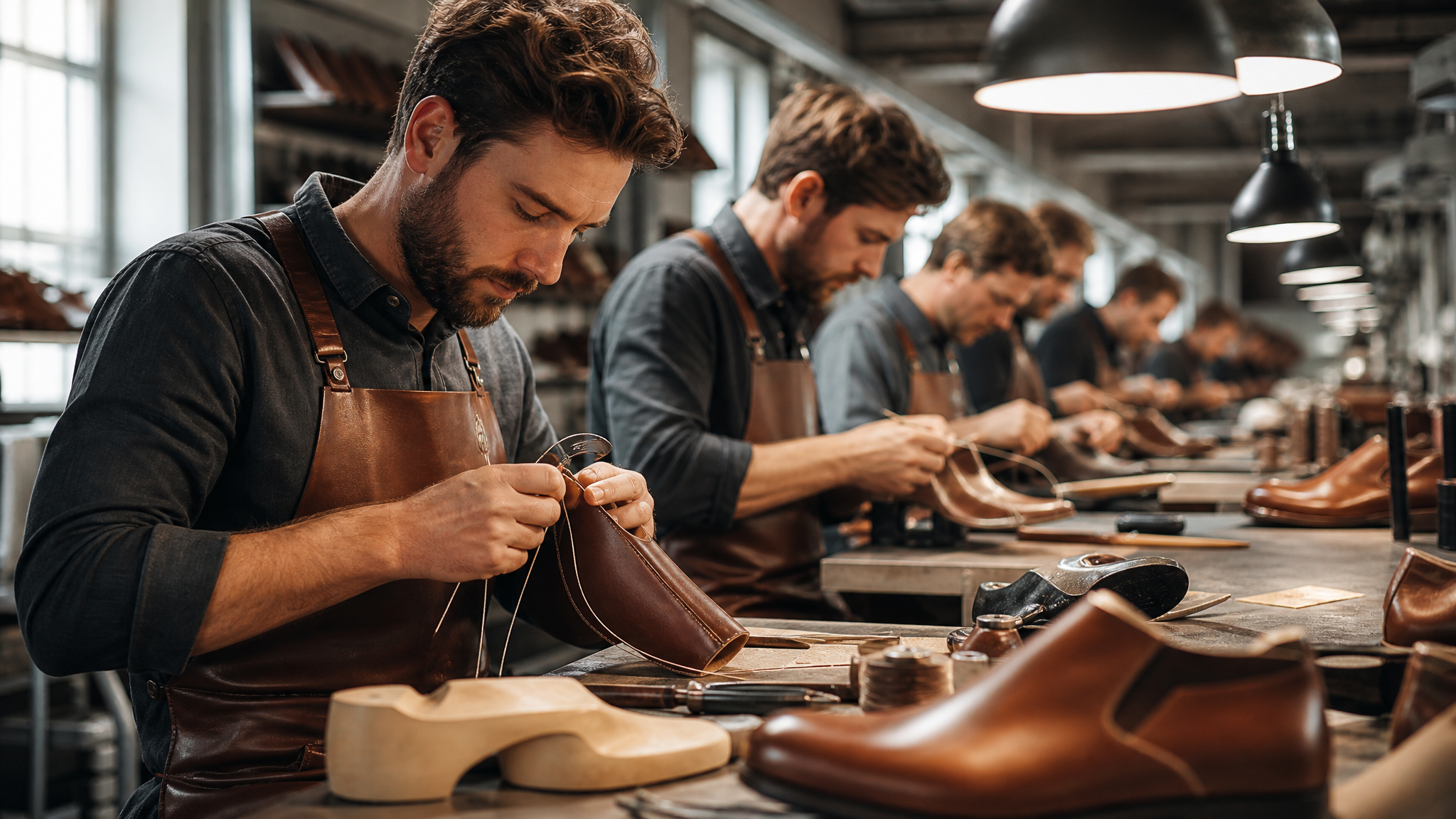
The Y&F Leather network is a working roster inside the Yongjia cluster — matched to each program, not a fixed headcount on a wall. This page sets out how the roster is organized, how partners enter it, and how it is run during production.
What the network is
A roster that works, not a number that sells
Some sourcing sites quote a factory count and leave you to imagine the rest. A count tells a buyer nothing useful: what matters is which workshop your program runs on, what it is demonstrably good at, and who checks the result. So we keep a working roster instead — the partners currently assessed, active and matched to the programs we run.
The roster changes as assessments finish and as programs demand new capabilities. That is the point of operating inside a cluster of this density: the right workshop for a construction usually already exists here, and the organizer's job is to find it, audit it and hold it to standard — not to pretend one wall chart represents it.
The roster
Six kinds of partner, one supply chain
The roster covers every link a men's leather shoe program needs — from the hide to the box. Roles describe the supply chain stage, not capacity figures; partner selection is matched to your specification.
| Partner type | Role in a program | Typical order fit | Documentation on request |
|---|---|---|---|
| Dress-shoe & oxford specialists | Goodyear and Blake dress makes — oxfords, derbies, brogues, monk straps. | Structured dress programs from the pilot tier upward. | Workshop profile; make-quality references from prior runs. |
| Boot makers — chelsea & lace-up | Ankle-height boots: elastic-gore and laced constructions, unlined or winter-lined. | Seasonal boot programs, fall/winter weighting. | Workshop profile; lining and gore specifications. |
| Loafer & casual workshops | Unlined and lined loafers and casual makes, cemented and Blake. | Seasonal casual volume alongside dress programs. | Workshop profile; construction references. |
| Sole & heel suppliers | Leather and rubber soles and heels, sourced to the program's unit specification. | Run alongside any program speccing custom units. | Material specifications per unit. |
| Eyelet, buckle & hardware suppliers | Eyelets, buckles, hardware trim and small components to spec. | Program-linked supply for laced, monk and boot styles. | Component specification sheets. |
| Tannery partners | Hide supply by grade — FG, TG, SP, NB — with lot-level grading to the program's material spec. | Material supply across all program types. | Grade specification sheets; lot documentation. |
Roles describe the supply chain stage, not capacity; partner selection is confirmed per program specification.
Entry process
How partners enter the roster
-
Desk review
Construction focus, capability and operating history are reviewed against the program types the roster needs before any visit is made.
-
Walk-through audit
Our team walks the floor — cutting, stitching, lasting, finishing and packing — and checks the process behind each stage, not just the showroom.
-
Sample evaluation
Make quality is judged against reference standards for the workshop's target constructions: stitching, lasting, sole attachment, finishing.
-
Compliance documentation
Operating and material documentation is collected and filed before any client program is placed, so requests at order stage are answered from record, not from memory.
-
Trial order with resident QC
A first order runs under our own inspectors inside the factory. Only after a clean trial does the workshop take structured client programs.
During production
Resident quality control
Our inspectors work inside partner factories during production runs — checking incoming leather against the grade specification, lines against the approved samples, and finished goods before packing. The same inspection standard applies across the roster, so a program split over two factories still runs as one quality system.
This is the difference between inspecting a result and organizing one: problems surface at the stage where they can still be fixed cheaply.
Selection logic
Matched, not assigned
Factory selection follows your specification — material grade, construction and volume. A Goodyear-welted oxford program does not run on the workshop that excels at cemented loafers, and a 100-pair pilot is not forced onto a line built for running bulk. Each factor narrows the roster before quotation, so the price you receive already reflects the right partner.
Matching done late is rework; matching done at the brief is the service.
Walk a partner factory before you commit
Book a live video tour of the workshop matched to your specification — or send your program brief and receive a matched proposal with indicative costs.